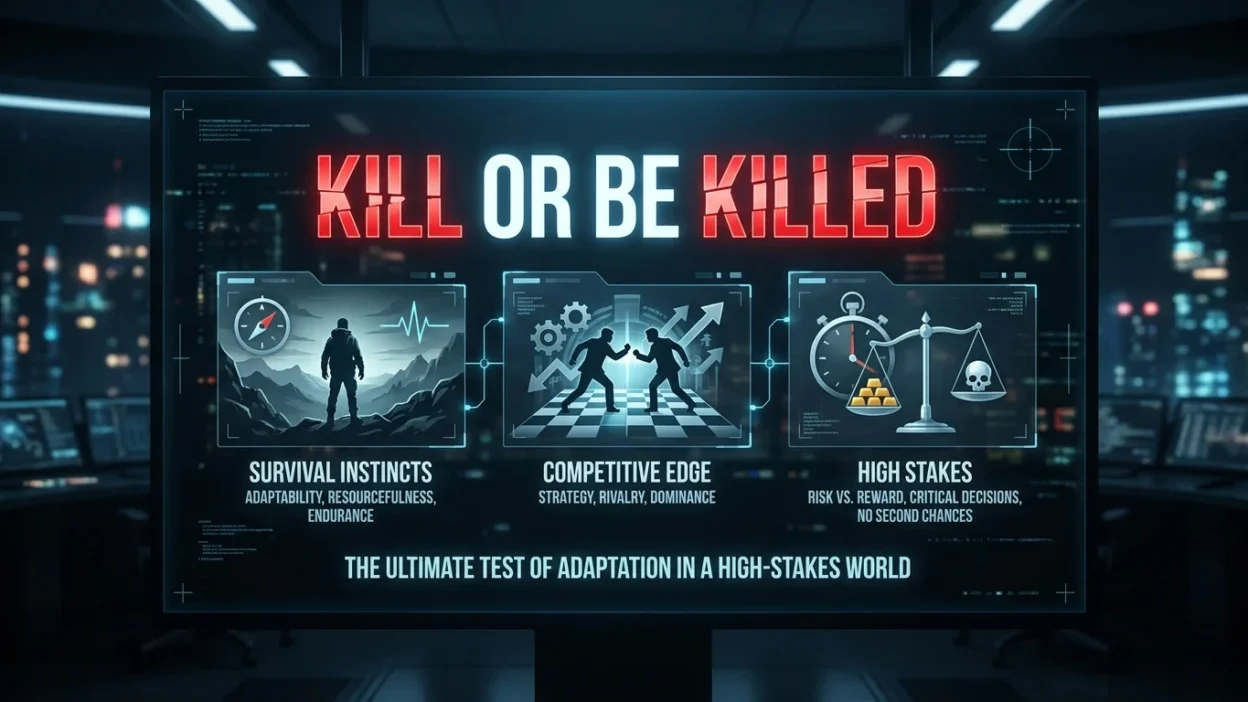
Have you ever heard the phrase “kill or be killed” in movies, books, or conversations and wondered what it truly means? It’s a powerful expression often used in situations involving extreme danger, survival, or fierce competition.
Although the phrase sounds intense, it is not always meant literally. In many cases, people use it figuratively to describe environments where survival depends on acting first or being stronger than others.
In this guide, we’ll explain the meaning of kill or be killed, show how it’s used, provide examples, highlight common misunderstandings, and help you understand the phrase clearly and confidently.
Quick Answer
✅ “Kill or be killed” means:
👉 A situation where you must fight, act first, or survive before someone else defeats or destroys you.
The phrase can be:
- Literal in dangerous survival situations
- Figurative in business, sports, politics, or competition
What Does “Kill or Be Killed” Mean?
The expression describes a harsh survival mindset where hesitation may lead to failure, defeat, or destruction.
Common Meanings
- Survival at any cost
- Extreme competition
- Acting before others overpower you
- A dangerous situation with no safe middle ground
Literal Meaning
In war, self defense, or dangerous survival situations, the phrase may refer to actual life or death conditions.
Figurative Meaning
More commonly, it describes highly competitive environments.
Example:
- “The industry is kill or be killed.”
This means the competition is extremely aggressive.
Origin of the Phrase
The phrase comes from survival based thinking found throughout history.
It became widely known through:
- War stories
- Action movies
- Military language
- Competitive business culture
The idea reflects the belief that survival depends on strength, speed, or decisive action.
How “Kill or Be Killed” Is Used
1. Survival Situations
Used literally in dangerous situations.
Examples:
- The soldier described the battlefield as kill or be killed.
- In the wild, predators live by a kill or be killed instinct.
2. Business and Competition
Often used metaphorically in competitive industries.
Examples:
- Tech startups sometimes feel like kill or be killed environments.
- The market became kill or be killed after new competitors arrived.
3. Sports and Games
Describes intense pressure to win.
Examples:
- The team entered the finals with a kill or be killed mentality.
- Professional sports can feel kill or be killed at times.
4. Movies and Entertainment
Common in action, thriller, and survival stories.
Examples:
- The film explores a brutal kill or be killed world.
- The characters faced a kill or be killed decision.
Kill or Be Killed: Tone and Connotation
The phrase carries a strong emotional tone.
Common Connotations
- Aggression
- Urgency
- Ruthlessness
- Desperation
- Survival pressure
Because of its intensity, it should be used carefully in formal or sensitive situations.
Common Mistakes to Avoid
1. Using It Too Casually
❌ “Getting concert tickets was kill or be killed.”
This may sound overly dramatic.
✔ Better:
- “Getting tickets was extremely competitive.”
2. Taking It Literally Every Time
Most modern uses are figurative, not about actual violence.
3. Using It in Sensitive Situations
Avoid using the phrase in contexts involving real tragedy or trauma unless appropriate.
Helpful Tip to Remember
👉 “Kill or be killed” usually means:
- Win or lose completely
- Survive or fail
- Act first or suffer consequences
Think of it as a metaphor for extreme pressure or competition.
More Examples in Context
Literal Use
- The soldiers faced a true kill or be killed situation.
- Survival in the jungle became kill or be killed.
Figurative Use
- Corporate law can feel kill or be killed.
- The gaming tournament turned into a kill or be killed battle.
- Politics is sometimes described as kill or be killed.
Similar Expressions and Synonyms
Depending on context, similar phrases include:
- Survival of the fittest
- Dog eat dog
- Win at all costs
- Sink or swim
- Every person for themselves
👉 These phrases share themes of competition and survival.
Is “Kill or Be Killed” Offensive?
Not necessarily, but it is strong language.
Safe Uses
- Fiction
- Sports commentary
- Business metaphors
- Action storytelling
Use Carefully In
- Sensitive discussions
- Professional communication
- Serious real life tragedies
Context matters.
FAQs
1. What does “kill or be killed” mean?
It means surviving or succeeding by acting before others defeat you.
2. Is the phrase always literal?
No, it is often used figuratively.
3. Is “kill or be killed” negative?
Usually yes, because it suggests harsh competition or danger.
4. Can the phrase be used in business?
Yes, it often describes aggressive competition.
5. Is it appropriate in formal writing?
It depends on the tone and audience.
6. What is a softer alternative?
You can say:
- Highly competitive
- Survival based
- Extremely challenging
7. Why is the phrase so common in movies?
Because it creates tension, drama, and urgency.
Summary
Understanding kill or be killed is simple once you know the context. The phrase describes situations where survival, success, or victory depends on acting before others overpower or defeat you. While it can refer to literal danger, it is more often used metaphorically in business, sports, entertainment, and competition.
Because the phrase carries a strong and intense tone, it should be used carefully. In the right context, it powerfully communicates pressure, urgency, and survival instincts.
Actionable Takeaway
Next time you hear “kill or be killed,” remember:
👉 It usually describes extreme competition or survival pressure
👉 Most uses are figurative, not literal
👉 Use it thoughtfully because it carries strong emotional intensity
Understanding the phrase will help you recognize both its meaning and its impact in communication.