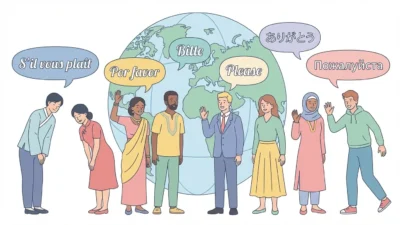
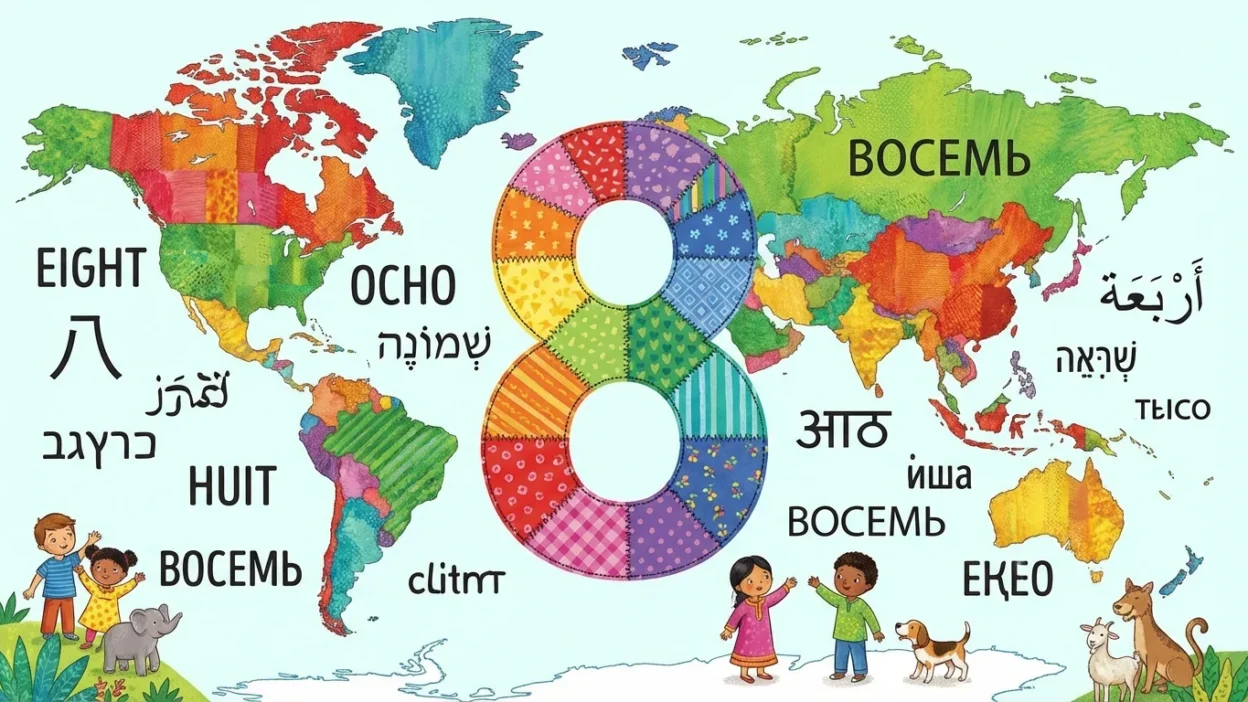
Numbers are the foundation of every language, and learning eight in different languages is a simple yet powerful way to build your global vocabulary. If you’re counting, traveling, or learning a new language, knowing eight translations helps you communicate clearly in everyday situations.
In this guide, you’ll discover eight in all languages with pronunciation and real-life examples so you can learn quickly and use them confidently.
Eight in All Languages (70 Examples)
| Language | Phrase | Example Sentence |
|---|---|---|
| English | Eight (ayt) | I have eight apples. |
| Spanish | Ocho (o-cho) | Tengo ocho libros. (I have eight books.) |
| French | Huit (weet) | J’ai huit stylos. (I have eight pens.) |
| German | Acht (akt) | Ich habe acht Freunde. (I have eight friends.) |
| Italian | Otto (ot-to) | Ho otto mele. (I have eight apples.) |
| Portuguese | Oito (oy-to) | Tenho oito carros. (I have eight cars.) |
| Dutch | Acht (akt) | Ik heb acht katten. (I have eight cats.) |
| Russian | Восемь (vo-syem) | У меня восемь книг. (I have eight books.) |
| Chinese (Mandarin) | 八 (ba) | 我有八个苹果。(I have eight apples.) |
| Japanese | 八 (hachi) | 八つあります。(I have eight.) |
| Korean | 여덟 (yo-dol) | 여덟 개 있어요. (I have eight.) |
| Arabic | ثمانية (tha-ma-ni-ya) | لدي ثمانية كتب. (I have eight books.) |
| Hindi | आठ (aath) | मेरे पास आठ किताबें हैं। (I have eight books.) |
| Urdu | آٹھ (aath) | میرے پاس آٹھ کتابیں ہیں۔ (I have eight books.) |
| Turkish | Sekiz (se-kiz) | Sekiz elmam var. (I have eight apples.) |
| Greek | Οκτώ (ok-to) | Έχω οκτώ φίλους. (I have eight friends.) |
| Polish | Osiem (o-shyem) | Mam osiem kotów. (I have eight cats.) |
| Swedish | Åtta (ot-ta) | Jag har åtta bilar. (I have eight cars.) |
| Danish | Otte (ot-te) | Jeg har otte bøger. (I have eight books.) |
| Norwegian | Åtte (ot-te) | Jeg har åtte venner. (I have eight friends.) |
| Finnish | Kahdeksan (kah-dek-san) | Minulla on kahdeksan omenaa. (I have eight apples.) |
| Czech | Osm (osm) | Mám osm psů. (I have eight dogs.) |
| Hungarian | Nyolc (nyolch) | Van nyolc almám. (I have eight apples.) |
| Romanian | Opt (opt) | Am opt mere. (I have eight apples.) |
| Bulgarian | Осем (o-sem) | Имам осем книги. (I have eight books.) |
| Ukrainian | Вісім (vee-sim) | У мене вісім друзів. (I have eight friends.) |
| Hebrew | שמונה (shmo-na) | יש לי שמונה ספרים. (I have eight books.) |
| Thai | แปด (paet) | ฉันมีแปดดอกไม้ (I have eight flowers.) |
| Vietnamese | Tám (tam) | Tôi có tám con mèo. (I have eight cats.) |
| Indonesian | Delapan (de-la-pan) | Saya punya delapan buku. (I have eight books.) |
| Malay | Lapan (la-pan) | Saya ada lapan kereta. (I have eight cars.) |
| Filipino | Walo (wa-lo) | May walo akong lapis. (I have eight pencils.) |
| Swahili | Nane (na-ne) | Nina nane vitabu. (I have eight books.) |
| Zulu | Isishiyagalombili (i-si-shi-ya-ga-lom-bi-li) | Ngine isishiyagalombili. (I have eight.) |
| Afrikaans | Agt (akht) | Ek het agt honde. (I have eight dogs.) |
| Persian | هشت (hasht) | من هشت کتاب دارم. (I have eight books.) |
| Bengali | আট (aat) | আমার আটটি বই আছে। (I have eight books.) |
| Punjabi | ਅੱਠ (ath) | ਮੇਰੇ ਕੋਲ ਅੱਠ ਕਿਤਾਬਾਂ ਹਨ। (I have eight books.) |
| Tamil | எட்டு (et-tu) | எனக்கு எட்டு புத்தகங்கள் உள்ளன. (I have eight books.) |
| Telugu | ఎనిమిది (e-ni-mi-di) | నాకు ఎనిమిది పుస్తకాలు ఉన్నాయి. (I have eight books.) |
| Marathi | आठ (aath) | माझ्याकडे आठ पुस्तके आहेत. (I have eight books.) |
| Gujarati | આઠ (aath) | મારા પાસે આઠ પુસ્તકો છે. (I have eight books.) |
| Kannada | ಎಂಟು (en-tu) | ನನ್ನ ಬಳಿ ಎಂಟು ಪುಸ್ತಕಗಳಿವೆ. (I have eight books.) |
| Malayalam | എട്ട് (et-tu) | എനിക്ക് എട്ട് പുസ്തകങ്ങൾ ഉണ്ട്. (I have eight books.) |
| Sinhala | අට (a-ta) | මට අට පොත් ඇත. (I have eight books.) |
| Nepali | आठ (aath) | मसँग आठ किताब छन्। (I have eight books.) |
| Khmer | ប្រាំបី (pram-bey) | ខ្ញុំមានប្រាំបីសៀវភៅ។ (I have eight books.) |
| Lao | ແປດ (paet) | ຂ້ອຍມີແປດປື້ມ. (I have eight books.) |
| Burmese | ရှစ် (shit) | ကျွန်တော့်မှာ ရှစ်စာအုပ်ရှိတယ်။ (I have eight books.) |
| Mongolian | Найм (naim) | Надад найм ном байна. (I have eight books.) |
| Icelandic | Átta (ow-ta) | Ég á átta bækur. (I have eight books.) |
| Irish | Ocht (okht) | Tá ocht leabhar agam. (I have eight books.) |
| Welsh | Wyth (with) | Mae wyth cath gennyf. (I have eight cats.) |
| Scottish Gaelic | Ochd (okh-t) | Tha ochd leabhraichean agam. (I have eight books.) |
| Latvian | Astoņi (as-to-ni) | Man ir astoņi suņi. (I have eight dogs.) |
| Lithuanian | Aštuoni (ash-tu-o-ni) | Turiu aštuonius obuolius. (I have eight apples.) |
| Estonian | Kaheksa (ka-hek-sa) | Mul on kaheksa raamatut. (I have eight books.) |
| Slovak | Osem (o-sem) | Mám osem kníh. (I have eight books.) |
| Slovenian | Osem (o-sem) | Imam osem knjig. (I have eight books.) |
| Croatian | Osam (o-sam) | Imam osam jabuka. (I have eight apples.) |
| Serbian | Осам (o-sam) | Имам осам књига. (I have eight books.) |
| Bosnian | Osam (o-sam) | Imam osam pasa. (I have eight dogs.) |
| Albanian | Tetë (te-te) | Kam tetë libra. (I have eight books.) |
| Macedonian | Осум (o-sum) | Имам осум книги. (I have eight books.) |
| Armenian | Ութ (ut) | Ես ունեմ ութ գիրք։ (I have eight books.) |
| Georgian | რვა (rva) | მე მაქვს რვა წიგნი. (I have eight books.) |
| Basque | Zortzi (zor-tzi) | Zortzi liburu ditut. (I have eight books.) |
| Catalan | Vuit (vweet) | Tinc vuit llibres. (I have eight books.) |
How to Say Eight in Different Languages
Learning how to say eight in different languages is important for counting, shopping, traveling, and everyday conversations. Numbers are among the first things language learners master, making them essential vocabulary.
Eight Around the World Cultural Meaning
In many cultures, the number eight is considered lucky and meaningful. For example, in Chinese culture, eight symbolizes prosperity and success. Understanding eight around the world adds cultural value to simple number learning.
Why Learning Eight Translations Matters
Knowing eight in all languages helps you:
- Improve basic language skills
- Communicate numbers easily
- Travel with confidence
- Build a strong vocabulary foundation
Conclusion
Exploring eight in different languages is a simple and effective way to enhance your language skills.
These translations are practical, easy to learn, and useful in daily life across the world.
FAQs
1. How do you say eight in different languages?
You can say eight as “Ocho” in Spanish, “Huit” in French, and “Aath” in Urdu.
2. Is the number eight important in cultures?
Yes, in some cultures like Chinese, eight is considered lucky and associated with wealth.
3. Are these translations commonly used?
Yes, these are standard and widely used number words.
4. Can beginners learn these easily?
Yes, numbers are basic vocabulary and easy to memorize.
5. Why should I learn numbers in different languages?
They are essential for communication, travel, and daily interactions.