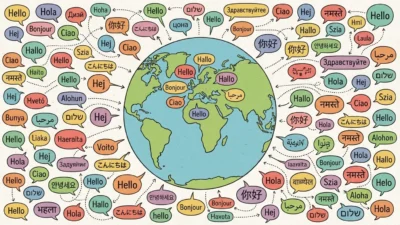

The word farewell is used when saying goodbye to someone, especially when parting for a long time or during a special moment. It expresses respect, gratitude, and good wishes for the future. Although the concept is universal, every language has its own way of expressing farewell.
Learning farewell in different languages can be useful for travelers, language learners, and anyone interested in global cultures. Understanding how to say farewell in different languages also helps people communicate politely and respectfully in different parts of the world.
In this guide, you will discover 70 farewell translations around the world, along with pronunciation and simple example sentences.
Farewell in 70 Different Languages Around the World
| Language | Phrase & Pronunciation | Example Sentence |
|---|---|---|
| English | Farewell (FARE-well) | I wish you a warm farewell. |
| Spanish | Adiós (ah-DYOS) | Le dijimos adiós al final del viaje. |
| French | Adieu (ah-DYUH) | Nous lui avons dit adieu hier. |
| German | Lebewohl (LAY-buh-vohl) | Wir sagten Lebewohl. |
| Italian | Addio (ad-DEE-o) | Gli abbiamo detto addio. |
| Portuguese | Adeus (ah-DEH-oos) | Dissemos adeus ao amigo. |
| Dutch | Vaarwel (VAAR-vel) | We zeiden vaarwel. |
| Russian | Прощай (pro-SHCHAI) | Мы сказали прощай. |
| Ukrainian | Прощавай (pro-shcha-VAI) | Ми сказали прощавай. |
| Polish | Żegnaj (ZHEG-nai) | Powiedzieliśmy żegnaj. |
| Czech | Sbohem (SBO-hem) | Řekli jsme sbohem. |
| Slovak | Zbohom (ZBO-hom) | Povedali sme zbohom. |
| Hungarian | Isten veled (ISH-ten ve-led) | Isten veled, barátom. |
| Romanian | Rămas bun (ra-MAS boon) | I-am spus rămas bun. |
| Greek | Αντίο (an-DEE-o) | Του είπαμε αντίο. |
| Turkish | Elveda (el-VE-da) | Ona elveda dedik. |
| Arabic | وداعاً (wa-da-an) | قلنا وداعاً. |
| Hebrew | להתראות (le-hit-ra-OT) | אמרנו להתראות. |
| Persian | خداحافظ (kho-da-ha-fez) | به او خداحافظ گفتیم. |
| Hindi | अलविदा (al-vi-da) | हमने उसे अलविदा कहा। |
| Urdu | الوداع (al-vi-da) | ہم نے اسے الوداع کہا۔ |
| Bengali | বিদায় (bi-day) | আমরা বিদায় বললাম। |
| Punjabi | ਅਲਵਿਦਾ (al-vi-da) | ਅਸੀਂ ਅਲਵਿਦਾ ਕਿਹਾ। |
| Gujarati | અલવિદા (al-vi-da) | અમે અલવિદા કહ્યું. |
| Marathi | निरोप (ni-rop) | आम्ही निरोप दिला. |
| Tamil | விடைபெறல் (vi-dai-pe-ral) | நாம் விடைபெற்றோம். |
| Telugu | వీడ్కోలు (veed-ko-lu) | మేము వీడ్కోలు చెప్పాము. |
| Kannada | ವಿದಾಯ (vi-da-ya) | ನಾವು ವಿದಾಯ ಹೇಳಿದೆವು. |
| Malayalam | വിട (vi-da) | ഞങ്ങൾ വിട പറഞ്ഞു. |
| Sinhala | සමුගැනීම (sa-mu-ga-ni-ma) | අපි සමුගත්තා. |
| Thai | ลาก่อน (la-gon) | เราพูดลาก่อน. |
| Vietnamese | Tạm biệt (tam byet) | Chúng tôi nói tạm biệt. |
| Indonesian | Selamat tinggal (se-la-mat ting-gal) | Kami mengucapkan selamat tinggal. |
| Malay | Selamat tinggal (se-la-mat ting-gal) | Kami berkata selamat tinggal. |
| Filipino | Paalam (pa-a-lam) | Nagpaalam kami sa kanya. |
| Chinese (Mandarin) | 再见 (zai jian) | 我们说再见. |
| Japanese | さようなら (sa-yo-na-ra) | 私たちはさようならと言った。 |
| Korean | 안녕히 가세요 (an-nyeong-hi ga-se-yo) | 우리는 작별 인사를 했다. |
| Mongolian | Баяртай (ba-yar-tai) | Бид баяртай гэж хэлсэн. |
| Swahili | Kwaheri (kwa-HE-ri) | Tulimwambia kwaheri. |
| Zulu | Sala kahle (sa-la ka-hle) | Sathi sala kahle. |
| Afrikaans | Totsiens (tot-seens) | Ons het totsiens gesê. |
| Somali | Nabad gelyo (na-bad gel-yo) | Waxaan nidhi nabad gelyo. |
| Amharic | ደህና ሁን (deh-na hun) | እኛ ደህና ሁን አልን. |
| Hausa | Sai an jima (sai an jee-ma) | Mun ce sai an jima. |
| Yoruba | O dabọ (o da-bo) | A sọ o dabọ. |
| Igbo | Ka ọ di (ka o di) | Anyị kwuru ka ọ di. |
| Danish | Farvel (far-vel) | Vi sagde farvel. |
| Swedish | Farväl (far-vel) | Vi sa farväl. |
| Norwegian | Farvel (far-vel) | Vi sa farvel. |
| Finnish | Hyvästi (hy-vas-ti) | Sanoimme hyvästi. |
| Icelandic | Bless (bless) | Við sögðum bless. |
| Estonian | Hüvasti (hu-vas-ti) | Me ütlesime hüvasti. |
| Latvian | Atā (a-ta) | Mēs teicām atā. |
| Lithuanian | Sudie (su-di-eh) | Mes pasakėme sudie. |
| Serbian | Збогом (zbo-gom) | Рекли смо збогом. |
| Croatian | Zbogom (zbo-gom) | Rekli smo zbogom. |
| Bosnian | Zbogom (zbo-gom) | Rekli smo zbogom. |
| Slovenian | Zbogom (zbo-gom) | Rekli smo zbogom. |
| Albanian | Mirupafshim (mi-ru-paf-shim) | Ne thamë mirupafshim. |
| Macedonian | Збогум (zbo-gum) | Рековме збогум. |
| Georgian | ნახვამდის (nakh-vam-dis) | ჩვენ ვთქვით ნახვამდის. |
| Armenian | Ցտեսություն (ts-te-su-tyun) | Մենք ասացինք ցտեսություն. |
| Kazakh | Қош бол (kosh bol) | Біз қош бол дедік. |
| Uzbek | Xayr (khair) | Biz xayr dedik. |
| Tajik | Хайр (khair) | Мо хайр гуфтем. |
| Nepali | बिदाइ (bi-dai) | हामीले बिदाइ भन्यौं। |
| Khmer | លាហើយ (lea-her) | យើងនិយាយលាហើយ. |
| Lao | ລາກ່ອນ (la-gon) | ພວກເຮົາກ່າວລາກ່ອນ. |
The Meaning of “Farewell” in Different Languages
The word farewell is used to express goodbye, often when people part ways for a long time. In many cultures, farewell phrases carry emotional meaning and are used during important moments like travel, graduation, or retirement.
When exploring farewell in all languages, you may notice that some phrases literally mean “go in peace,” “until we meet again,” or “stay well.”
How People Use the Word Farewell in Everyday Conversations
People commonly use farewell expressions when:
Leaving after a long visit
Saying goodbye before a journey
Ending formal events or ceremonies
Parting from friends or colleagues
Understanding farewell translations around the world helps people communicate respectfully when saying goodbye in different cultures.
Why Learning Goodbye Expressions in Different Languages Is Useful
Learning how to say farewell in different languages is valuable for travelers and language learners. It helps people end conversations politely and leave a positive impression when interacting with others internationally.
These expressions are among the most commonly used phrases in daily communication.
Conclusion
The word farewell carries emotional meaning across cultures, symbolizing respect, gratitude, and good wishes when people part ways. Although the phrase changes from language to language, the sentiment behind it remains universal.
By learning farewell in different languages, you gain useful vocabulary for communication around the world.
FAQs
What does farewell mean?
Farewell is a polite or emotional way of saying goodbye when people separate or part ways.
How do you say farewell in 10 common languages?
English (Farewell), Spanish (Adiós), French (Adieu), German (Lebewohl), Italian (Addio), Arabic (Wada’an), Hindi (Alvida), Chinese (Zai Jian), Japanese (Sayonara), and Turkish (Elveda).
Is farewell more formal than goodbye?
Yes, farewell is usually more formal and often used for significant departures.
Why do languages have different goodbye expressions?
Different cultures developed unique phrases influenced by tradition, religion, and social customs.
Is farewell commonly used in daily conversation?
In many languages, simpler goodbye phrases are used more often, while farewell is reserved for special moments.